
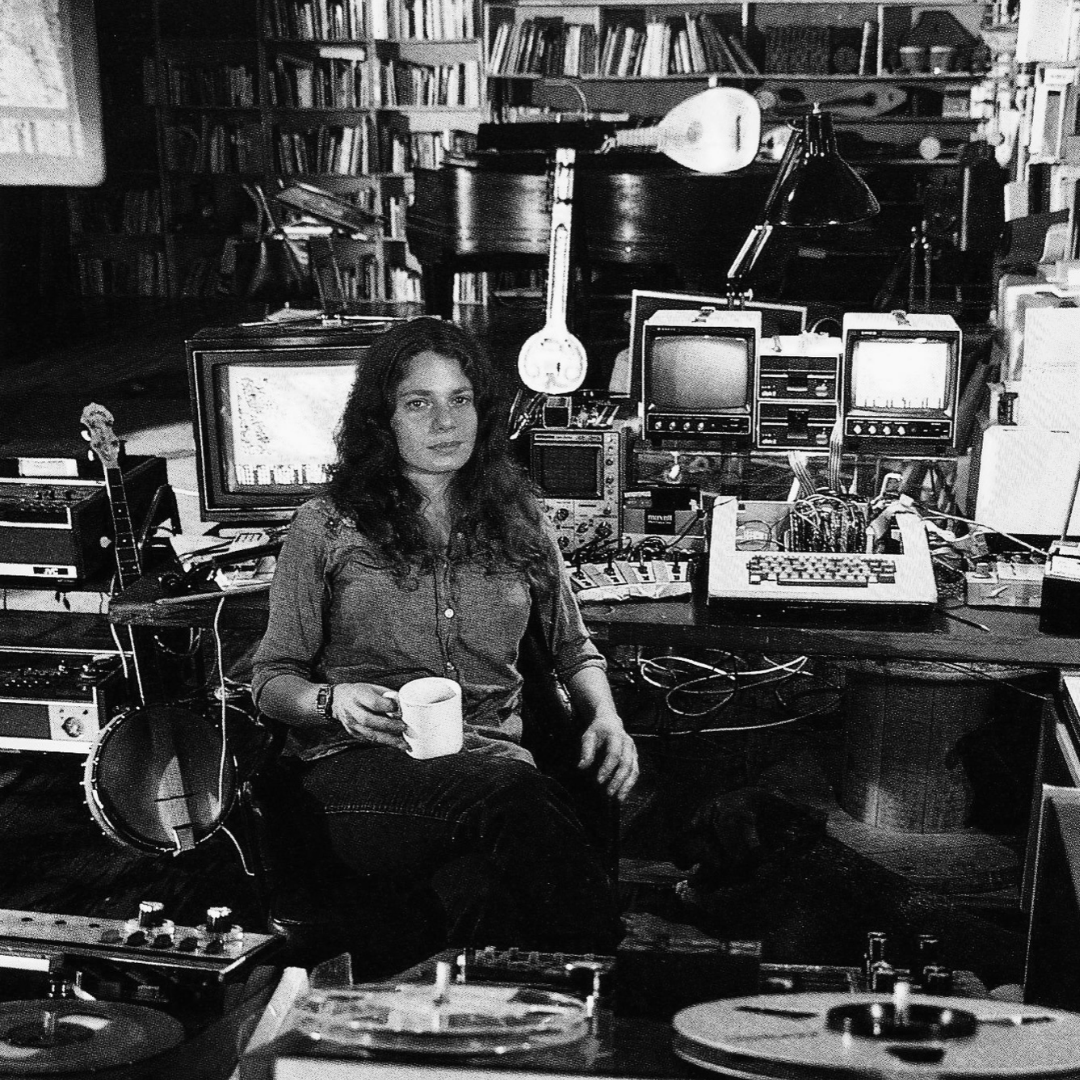
#106 Pt. 1: Laurie Spiegel on Sending Music Out of the Solar System
Laurie Spiegel taught herself notation in an off-grid trailer in western Illinois, with no running water and a kerosene lamp, because she wanted to write down what she was making up on the guitar. A few years later she was at Bell Labs with Max Mathews and Ken Thompson, writing software that let a computer improvise alongside her.
Somewhere in between, a forwarded phone call reached her in a backyard in Woodstock, asking to send her work out of the solar system. She assumed it was a crank call and asked them to put it in writing (on NASA letterhead).
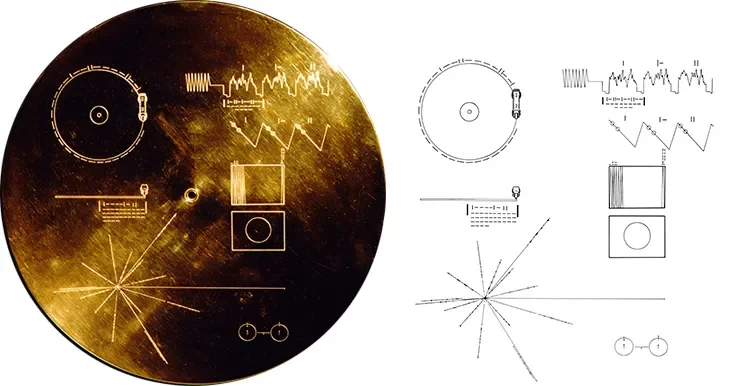
This is part one of two, in which Laurie talks with Eventide's Tony Agnello and James Frazee about a childhood on the South Side of Chicago, the factory reject Harmony guitar she bought with recycling money, and the three library albums that redirected her life. She explains what actually went on the Voyager Golden Record, a realization of Kepler's Harmonice Mundi, and why she asked NASA to prove they were real. She walks through Juilliard, where the composition jury refused to accept anything she made electronically, and Bell Labs, where nobody told anyone what to work on.
She also makes the case she has been making for fifty years: that electronic music is folk music. Made at home, on homemade instruments, passed sideways from person to person and changed along the way.
Finally, she shares the story of Music Mouse, her 1986 software instrument, brought back this year by Eventide.
ABOUT LAURIE SPIEGEL
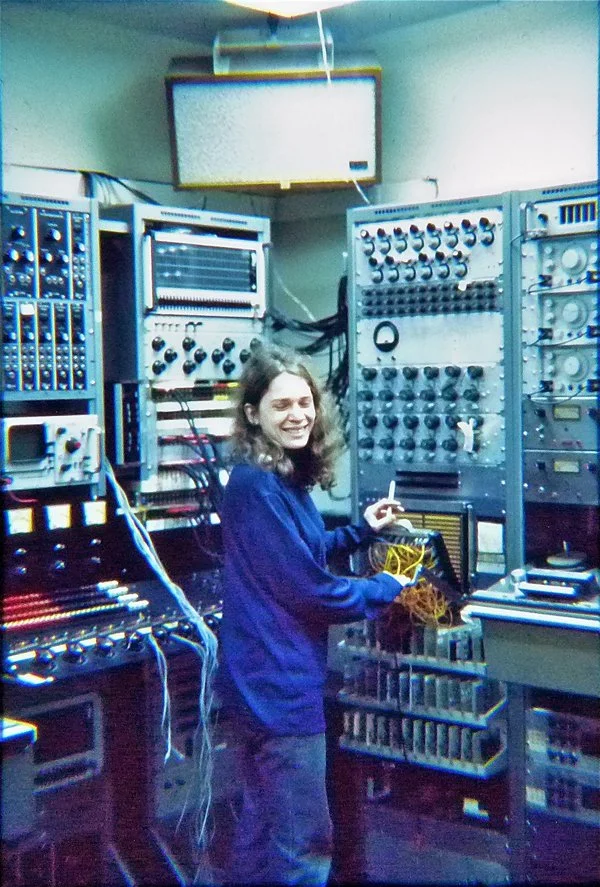
A pioneer of computer music and algorithmic composition. Inducted into the National Women's Hall of Fame in 2019. Worked at Bell Labs from 1973 to 1979 on the GROOVE system, one of the first computer systems built for making music in real time. Her realization of Kepler's Harmonice Mundi opens the Sounds of Earth section of the Voyager Golden Record, currently in interstellar space. Her 1986 software instrument Music Mouse put algorithmic composition in the hands of people with no formal training, and was re-released by Eventide in 2026. Her 1972 piece "Sediment" appears in The Hunger Games.
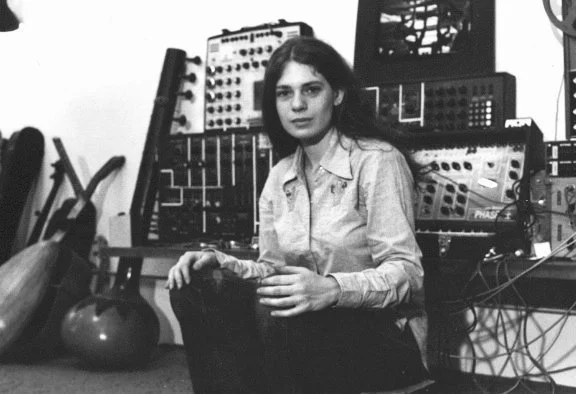
PHOTOS

SUBSCRIBE
Available on Apple Podcasts, Google, Spotify, SoundCloud, and more podcast apps.
TIDAL PLAYLIST
Check out our specially curated Tidal playlist consisting of all songs and artists mentioned in the episode by clicking here, or on the image below.