


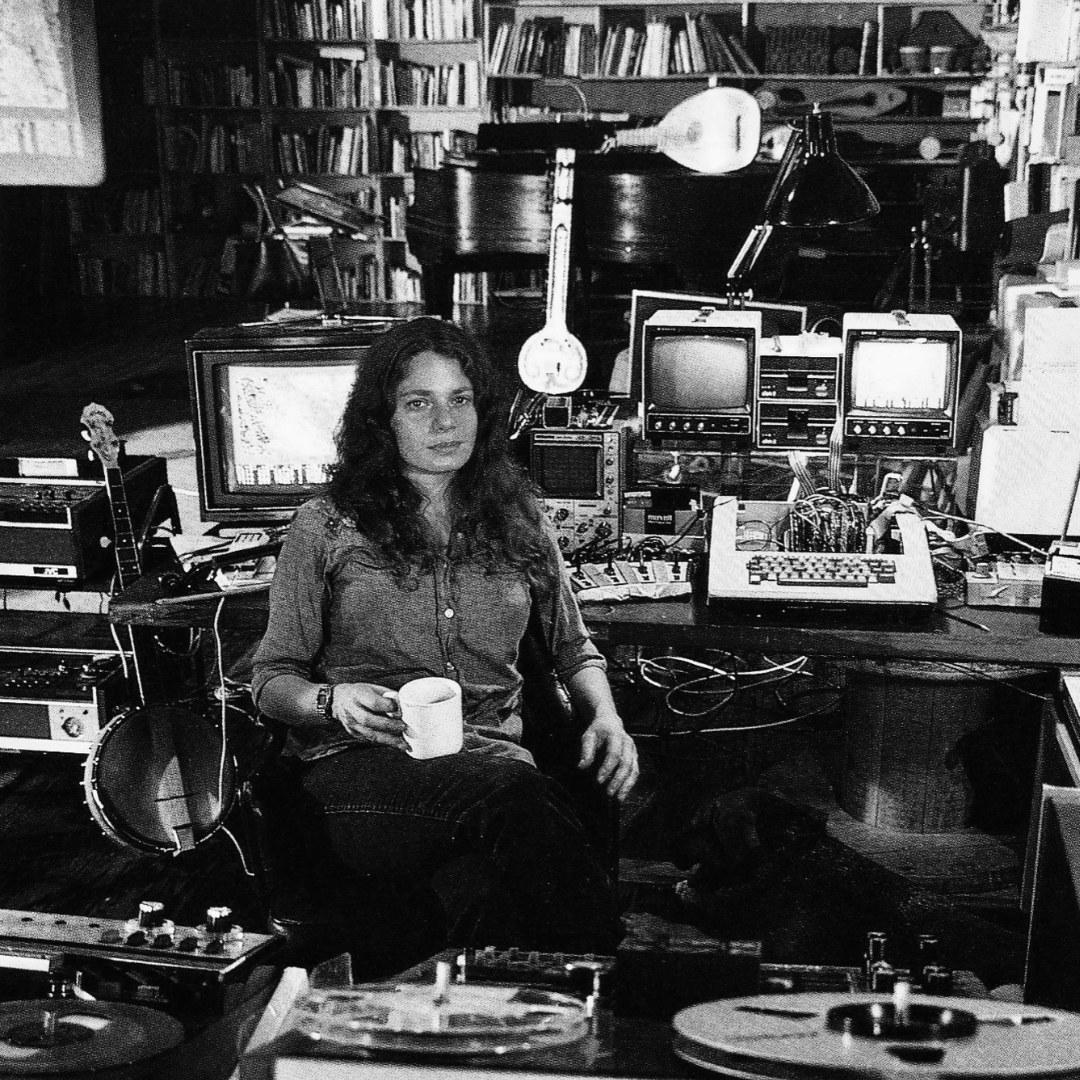
#106 Pt. 2: Why Does the Space Bar Stop the Music? Ask Laurie Spiegel
In 1973 Laurie Spiegel walked into Bell Labs and into a room where someone was steering lasers through mirrors with audio signals. She stayed six years.
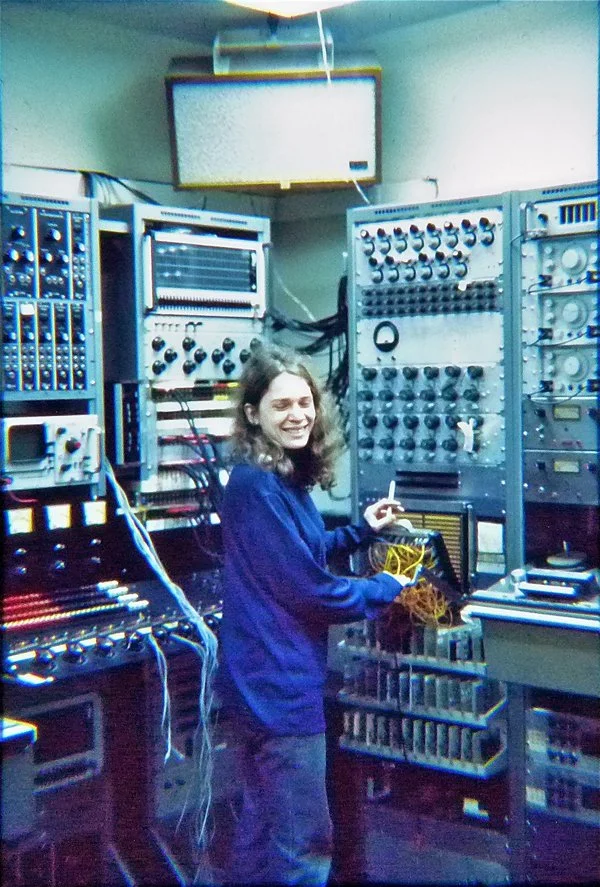
Part two picks up where part one left off. Laurie talks with Eventide's Tony Agnello and James Frazee about GROOVE, the computer controlled analog system she used to interact with music in real time while everyone else was waiting until Monday for thirty seconds of audio. She describes porting it to video and inventing a system she called VAMPIRE, which she could only run at night because Bela Julesz needed the video recorder during the day. Max Mathews told her real time video was impossible. Then he walked in and watched it work.
She also covers her residency at the WNET Experimental Television Lab, the audio effects she built for their production of The Lathe of Heaven in a cutting room directly across the street from Eventide, and what it was like being a film music editor at a time when every feature film composer in America was a man.
Then the personal computer arrives. The alphaSyntauri, Timothy Leary at a computer arts conference in Philadelphia, bare motherboards playing dueling banjos, and sending audio to Los Angeles over a 300 baud modem (which took an entire day).
The conversation brings us to where she is now, which is writing for human beings again after a lifetime of writing for machines. The Ahn Trio and the guitar quartet Dither are both recording her work.
ABOUT LAURIE SPIEGEL
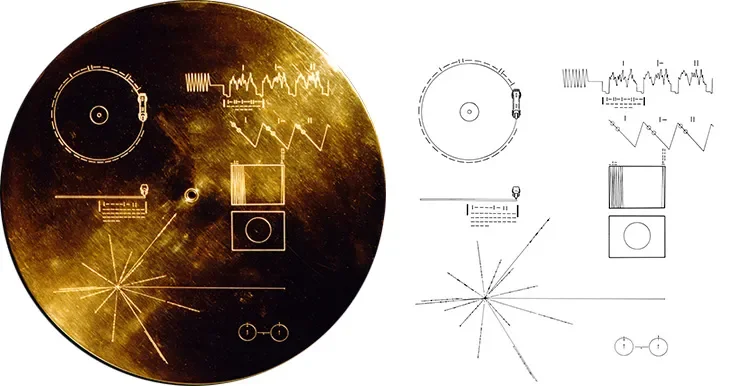
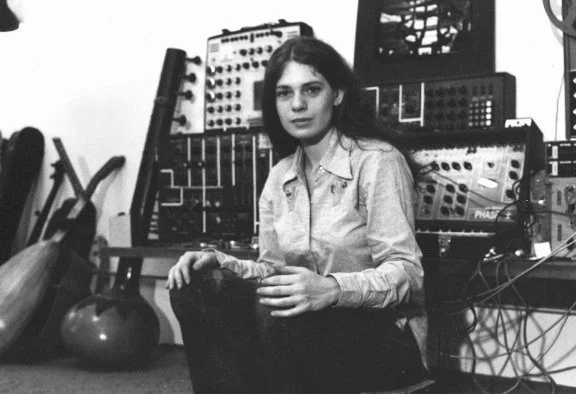
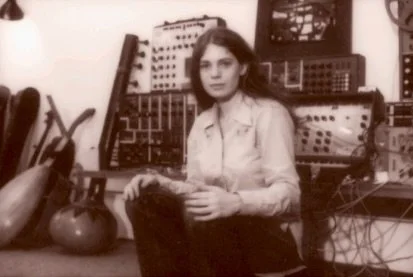
A pioneer of computer music and algorithmic composition. Inducted into the National Women's Hall of Fame in 2019. Worked at Bell Labs from 1973 to 1979 on the GROOVE system, one of the first computer systems built for making music in real time. Her realization of Kepler's Harmonice Mundi opens the Sounds of Earth section of the Voyager Golden Record, currently in interstellar space. Her 1986 software instrument Music Mouse put algorithmic composition in the hands of people with no formal training, and was re-released by Eventide in 2026. Her 1972 piece "Sediment" appears in The Hunger Games.
PHOTOS

LINKS
SUBSCRIBE
Available on Apple Podcasts, Spotify, and more podcast apps.
TIDAL PLAYLIST
Check out our specially curated Tidal playlist consisting of all songs and artists mentioned in the episode by clicking here, or on the image below.